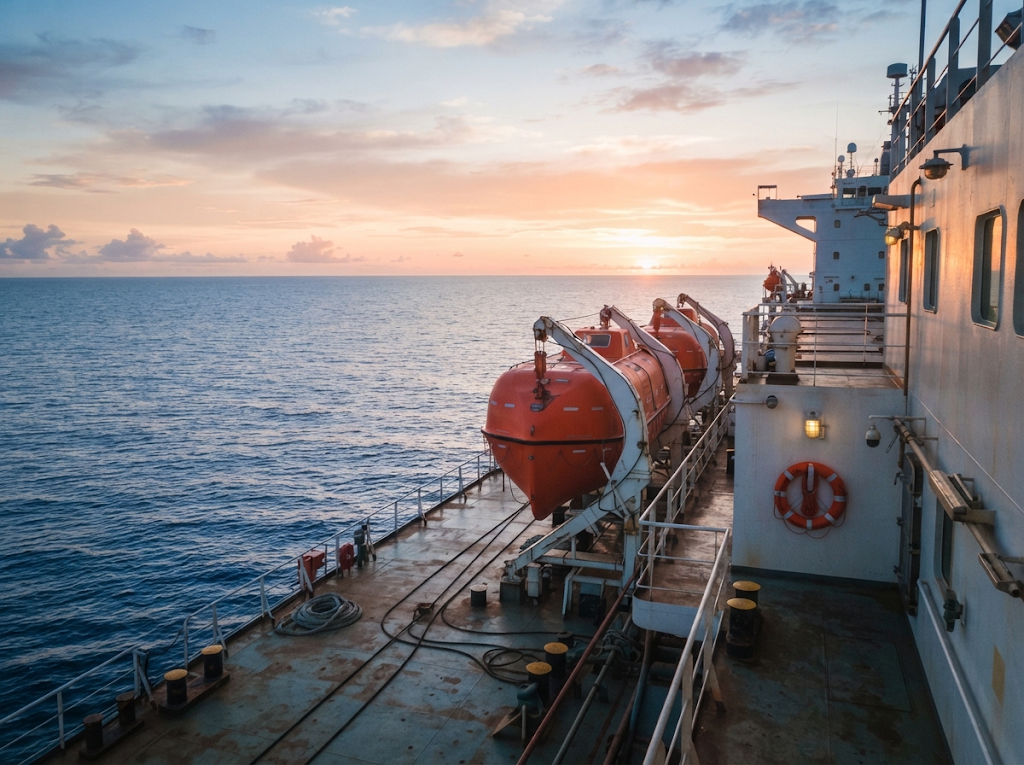
On a ship, the first minutes of an emergency decide everything. Passengers must know where to go, crew must know what to do and every instruction must be understood the first time it is heard. A cruise ship may carry guests from thirty countries and crew from fifty, and many of them speak French, whether they sail from Marseille, board in Montreal or work for a French-speaking operator. Maritime safety documents are the one kind of text where a translation error can cost lives, so clarity must come before elegance. This guide explains how to prepare maritime and cruise safety documents for French-speaking passengers and crew.
The Rules Behind the Documents
Safety on ships is governed by international rules, mainly those of the International Maritime Organization, described at imo.org, together with flag state and port state requirements. These rules cover safety drills, passenger information, lifesaving equipment, emergency announcements and crew training. Because ships cross borders, documents may be inspected by officials who read different languages, so consistency across versions is essential.
Which Documents Matter Most
Key texts include muster station instructions, cabin safety cards, emergency announcements, lifejacket guidance, evacuation plans, safety videos, crew training manuals, medical forms and incident reports. Each has a different reader and purpose. Some, such as cabin cards, must be understood in seconds by anyone, while others, such as training manuals, are studied in detail by crew.
Write for Stress, Not for Comfort
Safety instructions are read under stress, often in a noisy place. Use short sentences, active verbs and one action per line. Put the most urgent step first. Avoid long explanations, passive forms and rare words. Pictograms and numbers help, but the text must still make sense without them. Test every instruction with people who did not write it, and watch where they hesitate.
Choose Words Carefully
French has several words for things that English covers with one term. A lifejacket, a lifeboat, a muster station and a life raft each have an established French term in maritime usage, and mixing them up can cause confusion. The translator should know the language of the sea, and the glossary should be approved by a qualified officer. Certified translations of official safety certificates and manuals can be prepared by a provider of certified french translation services, which helps when documents are checked by authorities.
Announcements and Audio
Spoken announcements need a different style from written text. They must be short, clear and easy to read aloud. Record them with a trained speaker, and test them on the ship, in real conditions, with engine noise and echo. The order of languages matters too, and announcements in several languages can become long. Decide which languages come first for each situation, and keep messages synchronised across all channels.
Crew Training Materials
Crew members may speak French as a first or second language, and many come from countries where French is used in education. Training materials should avoid slang and complex grammar. Include diagrams, checklists and short quizzes. Check that tests measure understanding and not just reading skills. For more on the language pair, see this article on French to English translation.
Medical and Passenger Forms
Ships often collect health declarations, allergy information and consent forms. Passengers must understand what they are signing, so forms should be available in French with simple wording. Keep medical terms accurate, and use the same names for conditions and medicines on every form. Sensitive data needs protection, and privacy notices should also be translated.
Incident Reports and Logs
After an incident, the crew prepares reports for the company, insurers and authorities. These documents may later be used in investigations or legal proceedings, so they need accurate translation. Keep original wording, times and names exactly, and mark any uncertainty. A reviewer who knows maritime language should check the final text before it is sent.
Drills, Feedback and Updates
Drills are the best test of your documents. Observe how passengers and crew react, and ask where instructions were unclear. Update the French texts after each review, and make sure that every version on board, from the cabin card to the app, is the same. Record the date of each change.
Make Safety a Shared Habit
The best safety culture combines clear documents with regular practice. Give crew the tools to explain procedures in French, and encourage them to report problems early. When passengers hear and read the same message in a language they understand, they are far more likely to follow it, which is the whole purpose of a safety document at sea.
Signs, Symbols and Wayfinding
Signs on board should combine standard symbols with short French text, placed at eye level and lit well. Check that arrows, deck numbers and station names match the plans and the announcements. A guest who follows a sign should arrive exactly where the safety card says. Inspect signs regularly, and replace damaged or outdated ones at once.
Port Authorities and Inspections
During port state control, inspectors may ask for certificates, logs and training records. Keep French and English versions in order, with the same dates and names. If a document is requested in French, a certified translation prepared in advance avoids delay, and a clear index lets officers find what they need within minutes.
Recent Posts

How to Translate E-Learning Co...

Brazilian Coffee Farms and Eng...

Translating Old Family Records...
Share it.

Links
We use cookies
We use cookies to give you the best online experience, remember your preferences, and understand how the site is used. You can accept all cookies, reject optional ones, or choose which categories to allow.
Privacy PolicyCookie preferences
Choose which cookies we can use. Necessary cookies stay on because the site cannot work without them.
For more details, read our Privacy Policy.