Brazilian Coffee Farms and English Cupping Reports.
12 January, 2024· Article by Maria Jones
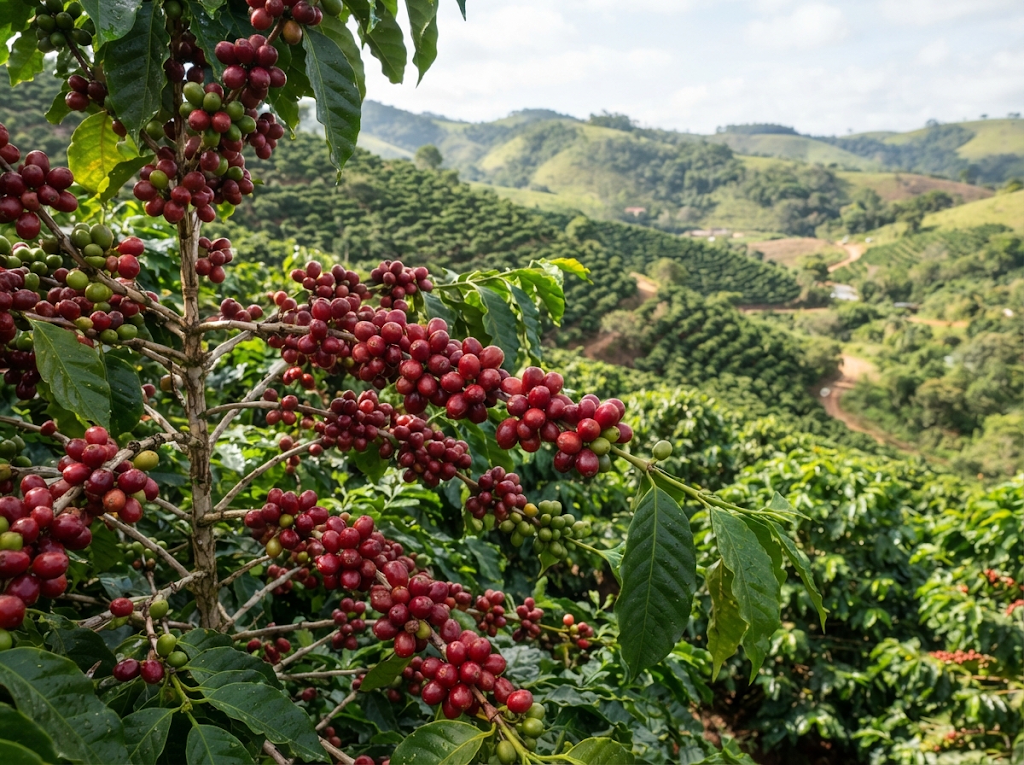
In the hills of Minas Gerais and Sao Paulo state, coffee cherries ripen from deep green to bright red, and every harvest brings pickers, drying patios and trucks heading for the port of Santos. Brazil is the largest coffee producer in the world, yet many of its best farms are small family estates that sell specialty lots to roasters in Norway, Britain, Japan and the United States. A specialty buyer decides in a few minutes whether a lot is worth a call, and the first thing he reads is not the score on the cup but the clarity of the report that comes with it. This article explains how Brazilian coffee producers can prepare English documents that turn a good harvest into a lasting trade relationship.
The Language of the Cup
Cupping reports use terms for aroma, acidity, body, sweetness, aftertaste and balance, and each buyer has a personal way of reading them. A Portuguese description of the flavour may use images that do not sound natural in English. Keep the language simple and concrete: dark chocolate, roasted almond, red apple, orange peel. Add the score, the date, the roast level and the name of the person who cupped the sample. Honest notes about defects build more trust than perfect descriptions.
Describing the Farm and the Lot
Roasters like to tell the story of each coffee. Give the name of the farm, the region, the altitude, the variety, the processing method, the harvest date and the size of the lot. Explain the difference between natural, pulped natural and washed processing in plain words. Add photographs of the drying beds and the trees, and a few lines about the family. A short and well written profile is often copied into the roaster's own marketing, so it should be accurate and free of mistakes.
Choosing the Right Language Partner
Producers who deal with buyers in several countries benefit from a professional for English and Brazilian Portuguese. A provider of english to brazilian portuguese translation can prepare farm profiles, contracts and certificates and also help you understand buyer emails that contain technical or legal terms. Share your own glossary of coffee words, and ask the translator to keep Brazilian usage, since it differs from European Portuguese in vocabulary and style.
Certificates and Traceability
Many buyers require certificates of origin, organic or fair trade labels, and phytosanitary documents. The International Coffee Organization publishes trade statistics and standards at ico.org, which are a useful reference for terms and rules. Keep every certificate in an orderly file, with the validity date and the scope. A buyer who sees a clear trail from the tree to the bag will feel confident about paying a higher price.
Samples, Offers and Contracts
The usual process includes sending samples, receiving feedback, agreeing on price, signing a contract and arranging shipment. Each step should be recorded in writing. A contract defines quality, quantity, packaging, price, payment terms, shipping dates and what happens if the delivered coffee differs from the sample. Use plain English, and agree which text prevails. Our article on bank statement translation explains why financial documents need exact wording, which is a useful reminder when payment guarantees are involved.
Shipping, Customs and Export Papers
Export involves invoices, packing lists, bills of lading, quality certificates and customs declarations. Each document must match the others in weight, lot number and consignee. Even a small difference can delay a container for days. Prepare templates in English, check each field twice and keep digital copies. If your shipping agent writes in English, ask for a weekly update with the position and expected arrival date.
Direct Trade and Online Sales
More farms now sell directly to roasters and even to consumers. An online shop should present each coffee with a clear title, the flavour notes, the processing method, the size of the bag and the shipping times. Use clear photographs and short paragraphs. Answer questions quickly and in friendly English, and keep a record of common questions to turn into a short guide on the page.
Farm Visits and Origin Trips
Roasters often visit farms during harvest. Prepare a welcome sheet in English with the programme, safety rules, a map of the farm and a list of local words that may help. Offer a short tour that explains each stage from picking to drying and storing. Visitors who understand the process become supporters who talk about your coffee for years.
Social Media and Reputation
Short posts with photographs of the harvest and brief English captions keep buyers interested between orders. Mention awards and certifications only when they are true and can be shown. Reply politely to comments and messages, and keep the tone friendly. A reliable voice on social media supports the reputation built by the cup.
A Steady Routine for Every Harvest
After each harvest, update the farm profile, the glossary, the contract template and the list of certificates. Ask a trusted buyer which parts of the documents were unclear, and fix them before the next season. When your English documents are as consistent as the beans in your best lot, buyers will remember your farm for its coffee and for the ease of working with you.
Recent Posts

Maritime and Cruise Safety Doc...

How to Translate E-Learning Co...

Translating Old Family Records...
Share it.

Links
We use cookies
We use cookies to give you the best online experience, remember your preferences, and understand how the site is used. You can accept all cookies, reject optional ones, or choose which categories to allow.
Privacy PolicyCookie preferences
Choose which cookies we can use. Necessary cookies stay on because the site cannot work without them.
For more details, read our Privacy Policy.